So that’s the first workshop and the first set of keynote talks out of the way at this year’s Association for Heritage Interpretation. All well delivered and full of provocation with plenty of relevance and some revelation.
Sorry, that’s an ‘in joke’. A long time ago, 55 years ago to be precise, an American journo wrote wisely and well about what we do. A while later, his work was reduced to those three words: Provoke, Relate, Reveal. I now refer to them in my more iconoclastic moments as ‘The Bluffer’s Guide to Heritage Interpretation’.
Nowadays, there is rather more subtlety and precision around the business of communicating about and engaging people with heritage. That has been apparent here.
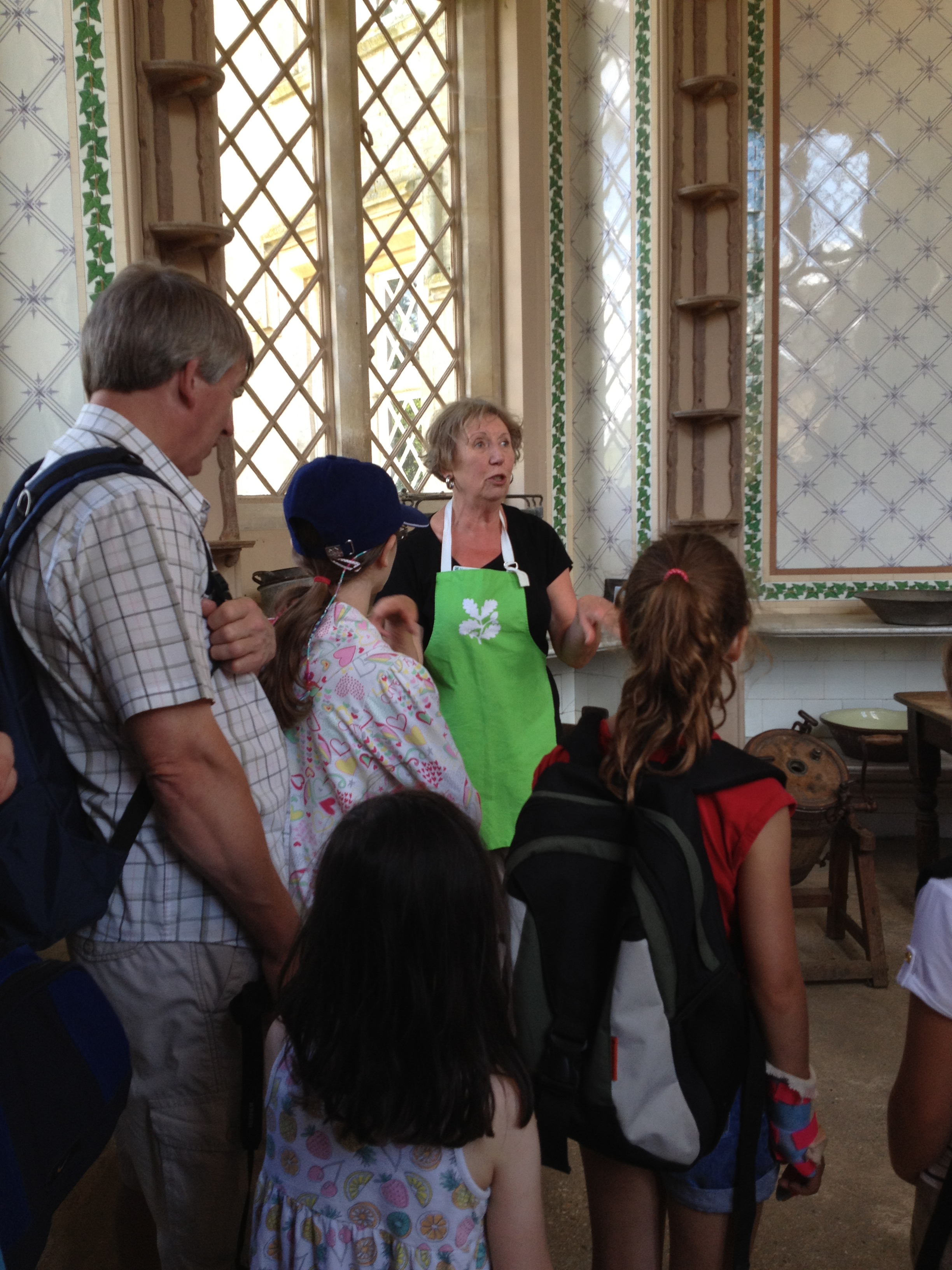
Is this what these visitors want? Good questions! Why not ask them?
In her workshop, Gerri Morris of Morris Hargreaves McIntyre, who I have raved about here and here, talked about the need to know your visitors really well. Their 30 years of research has in my view helped to change the game in this area and made visitor focus that much more possible. A visitor focus requires good knowledge and understanding of your visitors, she said. I think she’s so obviously right that there’s not a lot to say.
Interestingly, others in the room were more sceptical. My mission now is to find out why. Someone suggested it is that some designers and some interpreters like to think they know the answers to questions about what visitors want. I can see that belief would make life easier. It won’t help us produce the best work – or to engage with the most people, make the most impact, or best demonstrate the importance and value of heritage. Data matters. Using it well matters more.
So there was a whiff of that old curatorial and interpretive arrogance ‘we will tell them what we think they should know, in the way we want to tell them’ in the air.
Other speakers blew that away. Graham Black of Nottingham Trent University put down markers on how the communications revolution and the ‘Age of Participation’ calls for us to ‘go forth and innovate’. He also rather interestingly told us to clasp our visitors to our bosoms, so I will be trying that at some point, and blaming Graham.
Cathy Lewis was refreshing, entertaining and scathing about the use of language in art museums and made a cogent and well-argued case for interpreting art .(I don’t entirely agree; I would be more inclined to take novice art gallery goers through an imagination warm up gym rather than giving them better interpretation but that’s another story.) I liked the examples of better interpretation that Cathy gave enormously.
These are people well worth listening to. They have got us off to a good start.