
Heritage and countryside sites need the support of local people. There are a number of tried and tested approaches to engaging with local audiences.
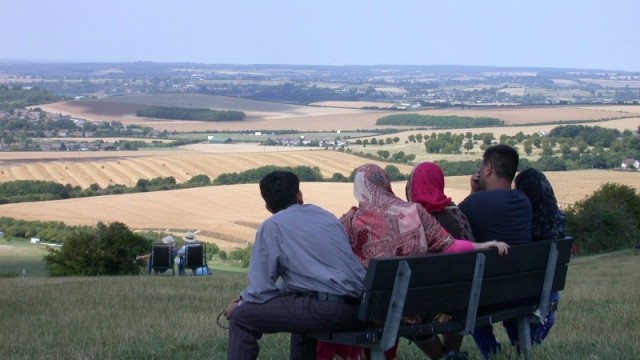
Local people enjoying Dunstable Downs.
By local support, I am not simply thinking of recruiting volunteers, crucial though they are to many sites. I am thinking of local good will, of ensuring that local people are glad you are there, that they have a good word for you, will encourage new people in town to visit (even if they don’t themselves).
Most of all though, I am thinking about how to get more local people onto your site. For paying attractions this might be crucial business that can extend your season. For free access sites, this might be politically important and a way of strengthening your voice in local campaigns, or arguing for funding.
So how can you get people through your gate?
Outreach activities
Make sure that local people know you. Ensure you have a presence in the local community. This can include work with schools, giving talks to local groups, participating in festivals and other events or supporting pop-up museums. Think laterally about whether you can appear where people won’t expect you. Be surprising.
This involves thinking outside the box and outside your site boundaries. If people haven’t (yet) come to you, you have to go to them.
Time-limited offer
One of the challenges of local people is that they apparently intend to visit you ‘sometime’ but they just don’t get around to it. You can inject some sense of urgency. with time-limited offers and special events. This is also a strategy for encouraging repeat visits.
I live close to Chatsworth House for example and had a great visit a couple of years ago. Nonetheless I am not planning to go back (at least not until friend come to visit). But if this summer’s art exhibition appeals to me or if they do another Winter Lights event, that could easily change. Running an active and diverse events programme is important for local visitors.
Targeted events for locals
In areas which attract lots of visitors, local people may see the local heritage as ‘just for tourists’. That may be good, especially if it brings extra customers into your shop or cafe or pub. But the disconnect between the community and their heritage may be an issue.
Some years ago we ran a project in one of the most heavily visited villages in one of the most heavily visited National Parks in the world (Castleton in the Peak District National Park). The village people here definitely felt that all the local events wer’ just for tourists’ and that ‘there was nothing for them’. We organised a series of heritage walks and other events specifically for local people and advertised them in the local school, the doctors’ surgery and the parish magazinewhere visitors would not see the information
If you are an attraction you could offer previews of new exhibits to local people as part of a soft opening with invitations issued through local press.
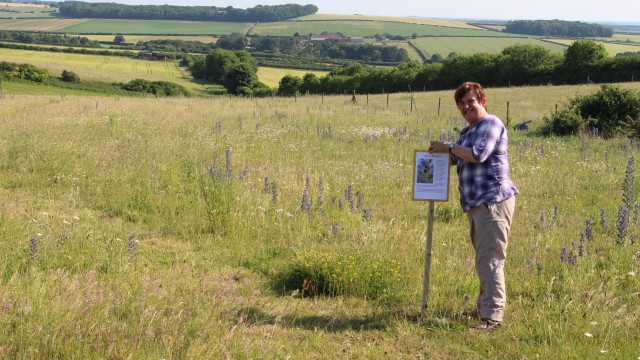
Setting up a Farm Open Day, an event targeted at local people.
Financial incentives
Money talks. Offer local people season tickets, reduced prices for repeat visits and off-peak discounts.
Become a meeting place
Think of what you can offer other than your heritage message. Once people know what you have to say, what else can you offer them/ The answer could be new experiences, or it could be different opportunities to enjoy your venue.
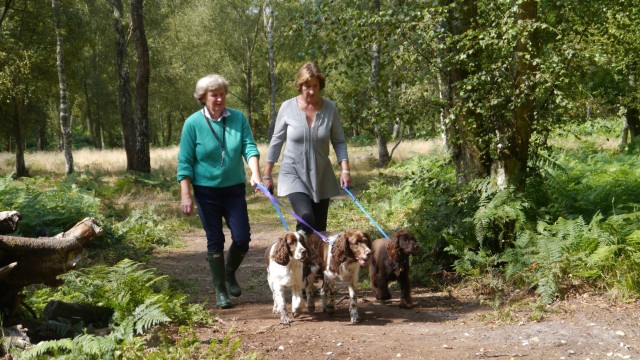
Is your place somewhere where people can enjoy meeting up and going for a walk? If so, you could offer them a cup of tea and chat to them.
If your café and retail areas are outside the pay perimeter they may become a place that local people just drop into. Country parks can become meeting places for parents with pre-school children, or for local office workers to bring their lunch or have a run. Often this begins organically – think about how you can make these users welcome.
Become a venue
Keep thinking outside the heritage box and look at your site as a venue. Does it have potential for non-heritage events such as craft markets, food fairs, arts events or sporting events? All of these can draw in local people and increase local awareness of your place and what it offers.
Build local partnerships
Be part of the local community. Network and look for partners who could benefit from what your site offers and who could bring different people to it.
Use your own network. Then think more widely. You might feel more aligned with the literature festival, or the walking for health group (both of which are excellent) but maybe think outside the box – what about the street dance group, the kick-boxers, or the old people’s home?
A good creative thinking exercise for you and your team might be to think about what happens in your town and then dream up ways you could connect with the different groups.
Essentially, it all comes down to making sure that you and your site is a good neighbour and a welcoming and helpful part of the local community. If you can do that, you will make local friends.