Great visitor experiences at heritage attractions do not happen by accident.
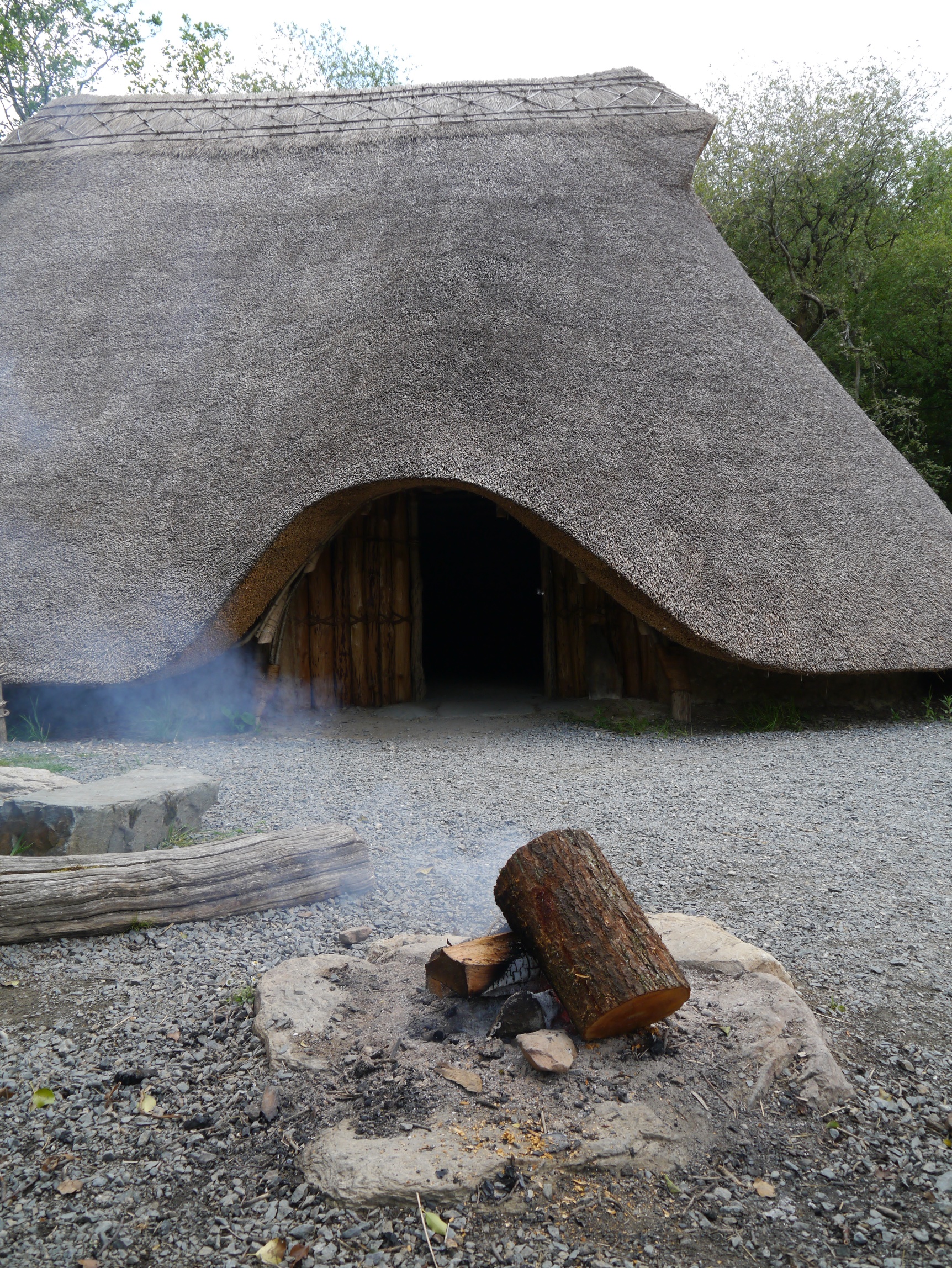
The Irish National Heritage Park uses archaeological evidence to reconstruct the homes and lives of early people in Irish – from the Mesolithic to the Normans
Just over three years ago Peter, my partner in TellTale, was asked to advise the Irish National Heritage Park in County Wexford, Ireland. He found a fascinating site, a team with great passion and belief running a severely underfunded, tired attraction. The vision seemed to fading and faltering. Last week we visited again and found an exciting and vibrant place that is bucking all trends with a 30% increase in both visitor numbers and income. It was great to see the transformation.
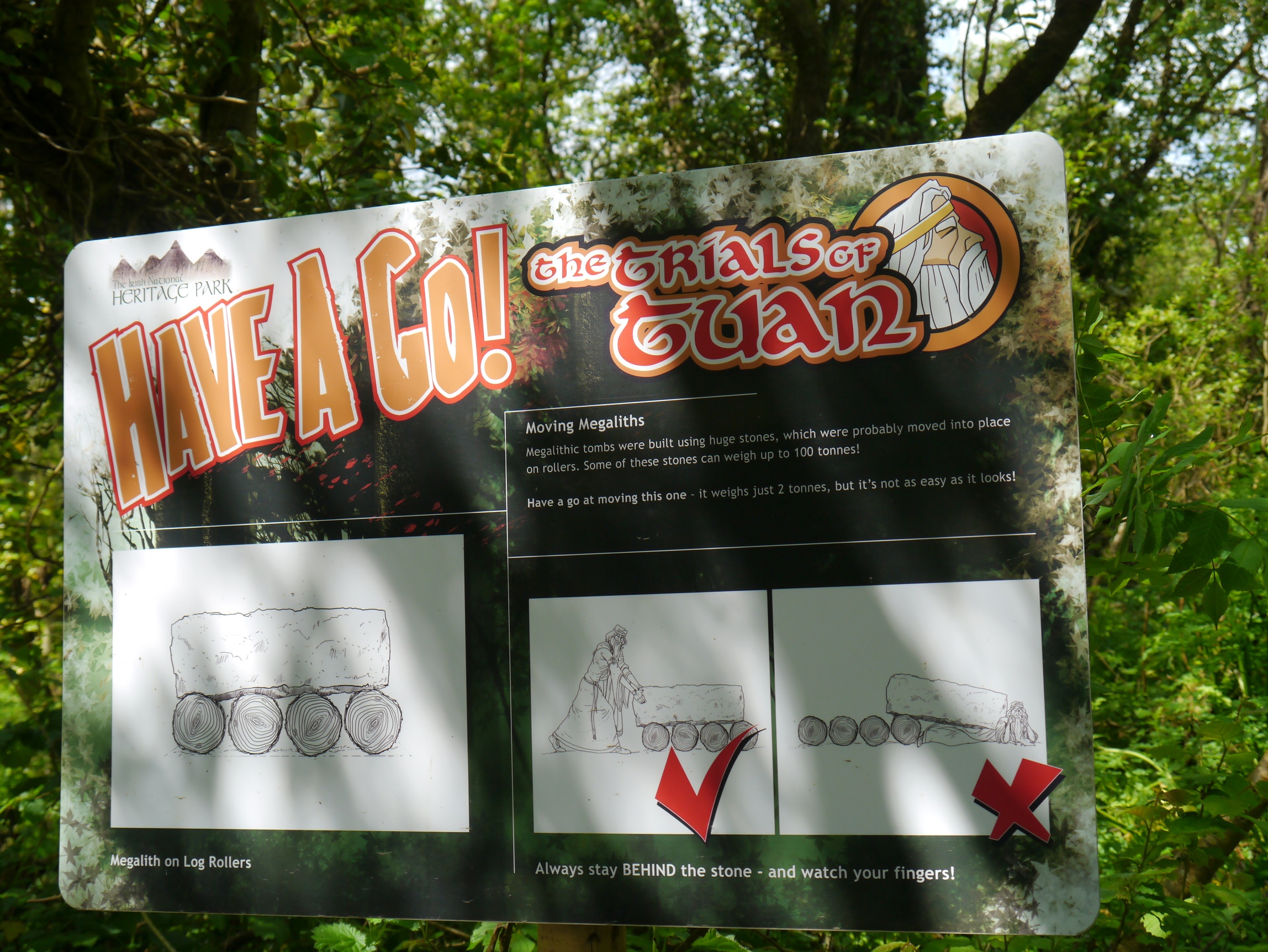
A family friendly trail highlights life skills …
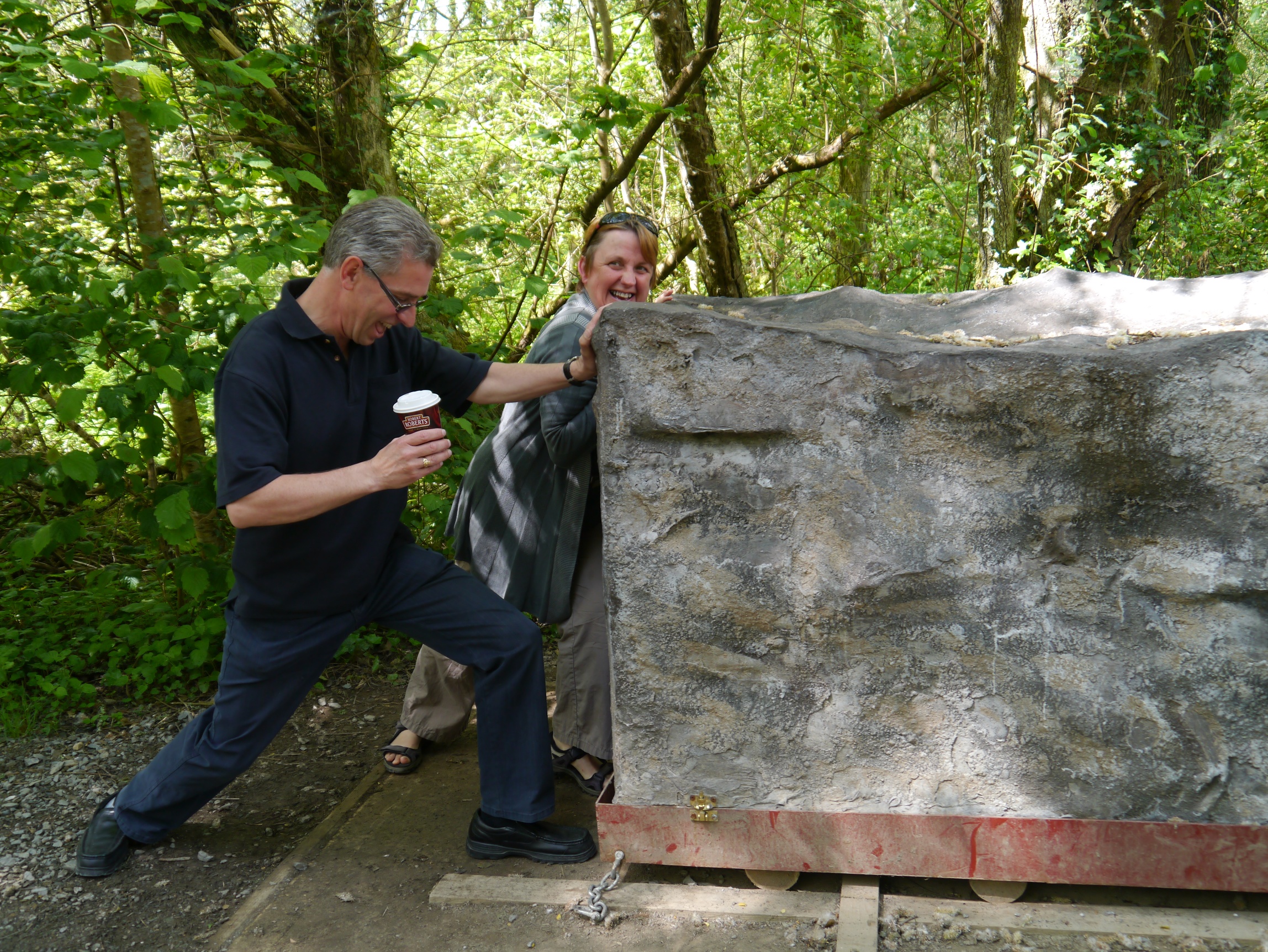
… like moving a megalith
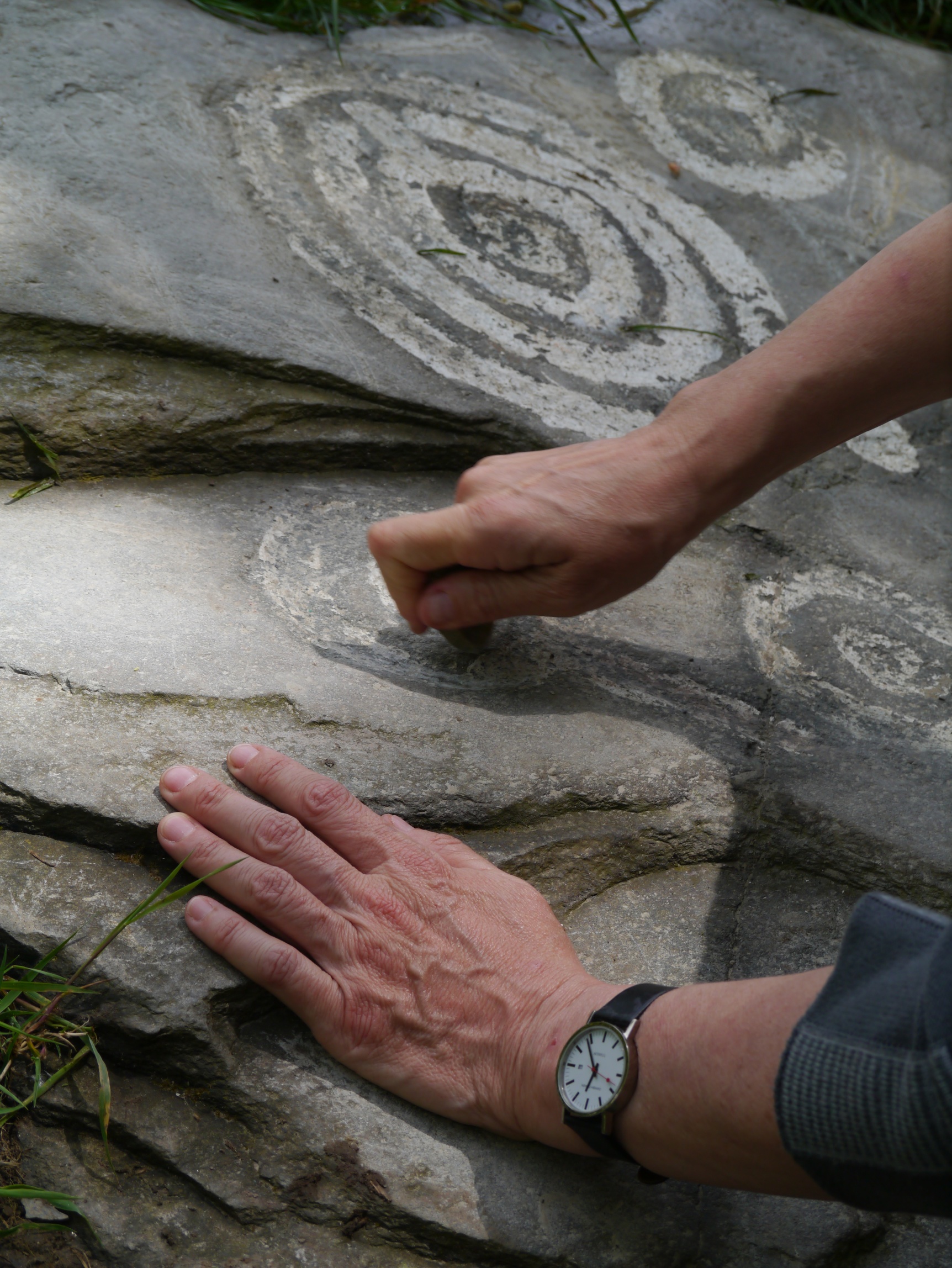
… or creating rock art
So what has turned the Heritage Park around? Our visit, which included conversations with key staff, suggested five vital steps had been taken:
Step 1: Take a long, hard look. An outsider, like Peter, can be helpful here. He could highlight that the Park was not working, and, without change, would not work, for visitors. But equally, if not more, important he could help with Step 2.
Step 2: Recognise the strengths – and the potential There were many strengths here – the site manager is an inspirational force, a woman of huge warmth, energy and charisma – and she would be the first to insist on giving credit to a legion of other dedicated people. In addition, the vision and underlying idea of the Heritage Park is very strong – original and human-centred, with the ability to appeal to a wide range of visitors.
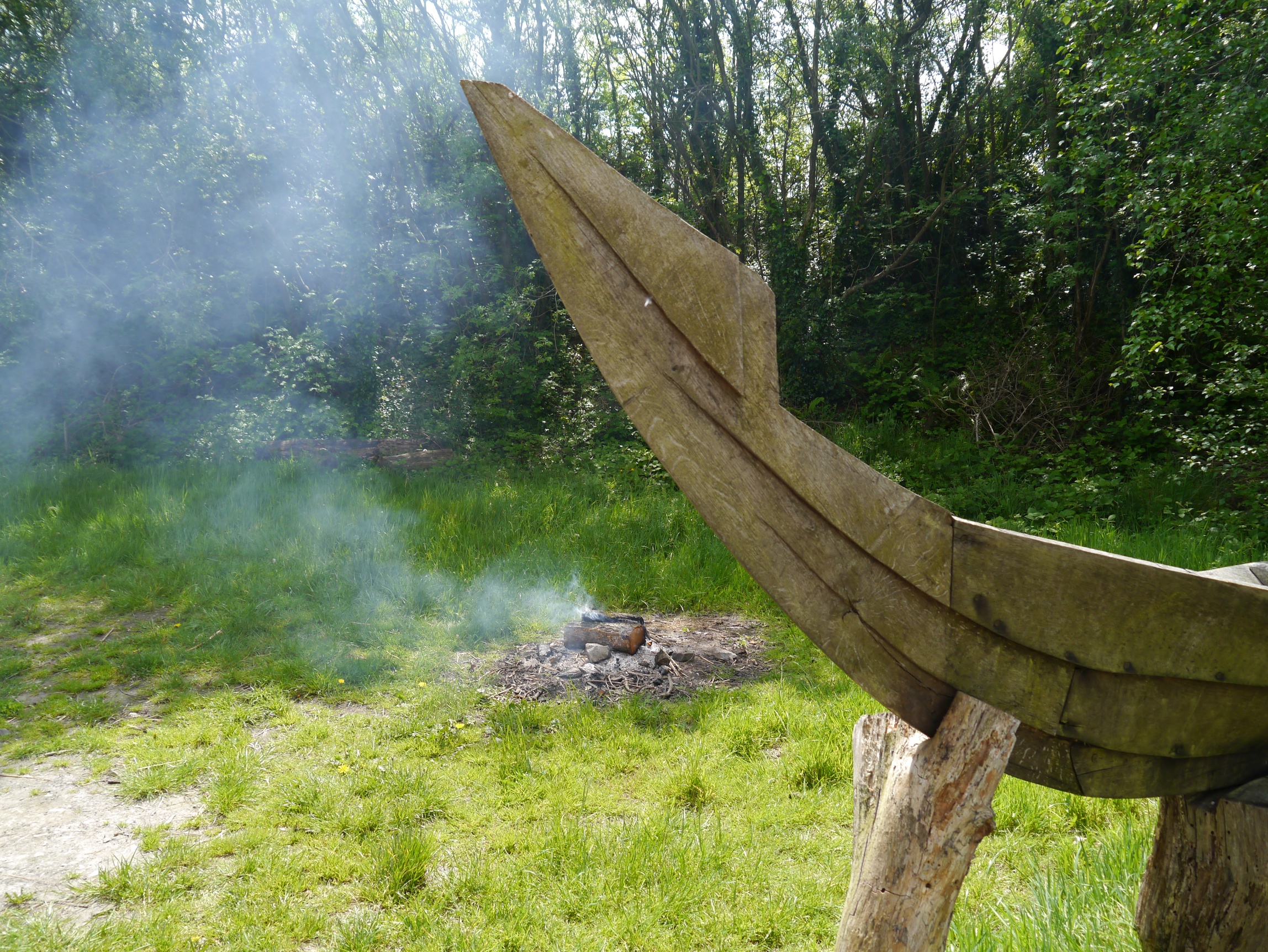
keeping the fires burning add life, scent and atmosphere to the park – and are symbolic of the unquenched spirit of the place
Step 3: Make careful, ambitious and achievable plans. In this case, not developed by us (although it is what we do). Great credit goes to Cranebag for a clear, thoughtful and visitor-focussed interpretation plan, drawing on up-to-date archaeological research and detailing how interpretation and well-planned experiences could breathe new life and enthusiasm into the visitors.
Step 4: Find investment. In this case the interpretation plan helped hugely: it made clear how and why investment was needed and the benefits that it would bring. It was a compelling and successful case.
Step 5: Careful and uncompromising delivery. Quality, authenticity and authority are vital ingredients of a heritage attraction and they often do not come easily, quickly or by cutting corners. Attention to detail, every detail, matters. Of course it does. Like all customers, visitors know quality when the see it.
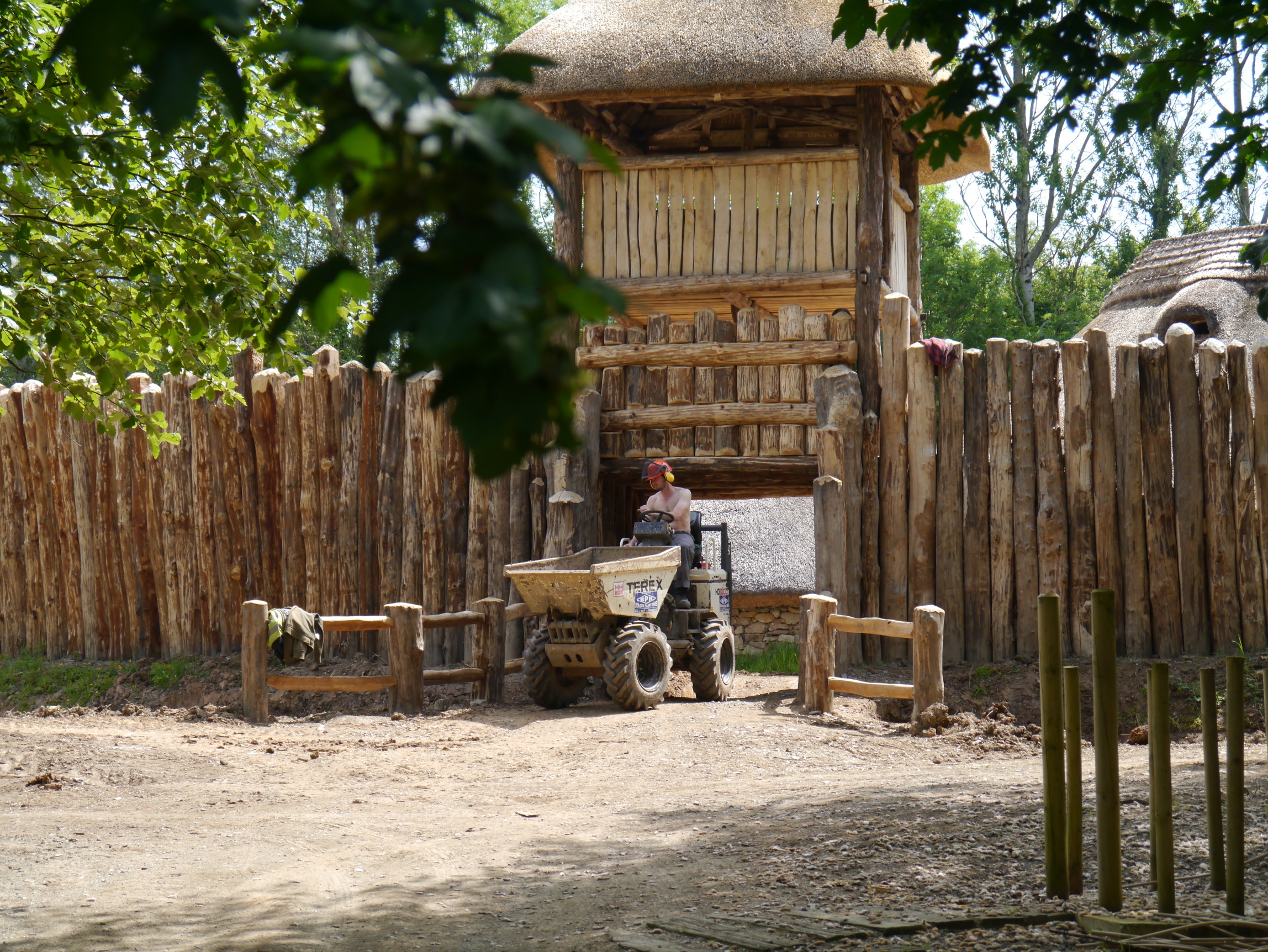
The Iron Age hillfort is still under construction. Finding sufficient suitable oak trees was a considerable headache for the modern builders.
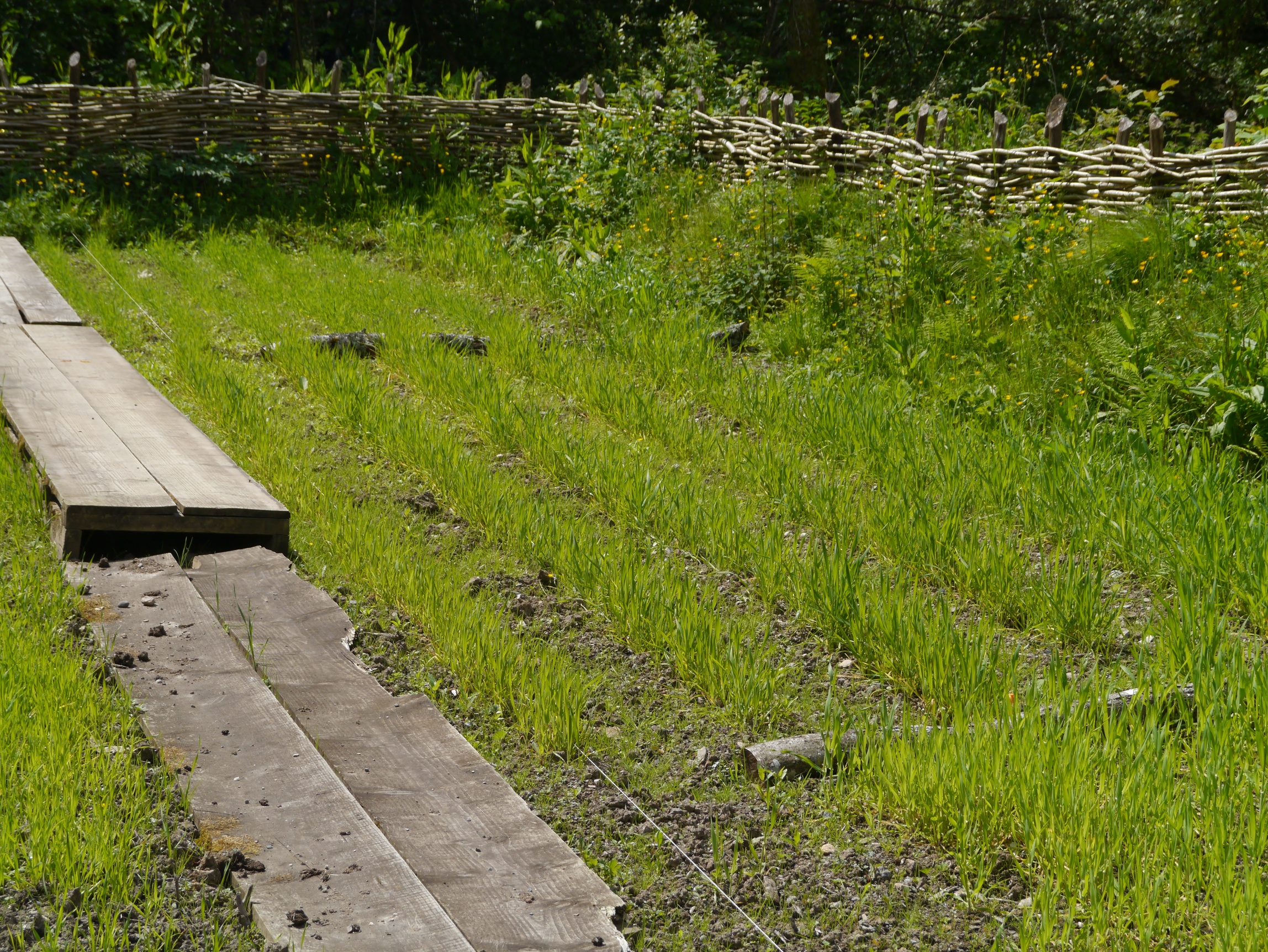
Modern grains grow alongside ancient varieties in these experimental plots.
So, you might say, there’s nothing new. And, yes, the secrets of this transformation all sound rather obvious. But it is rare to find all the steps lined up and achieved in sequence. It is even rarer to see them all carried out really well.
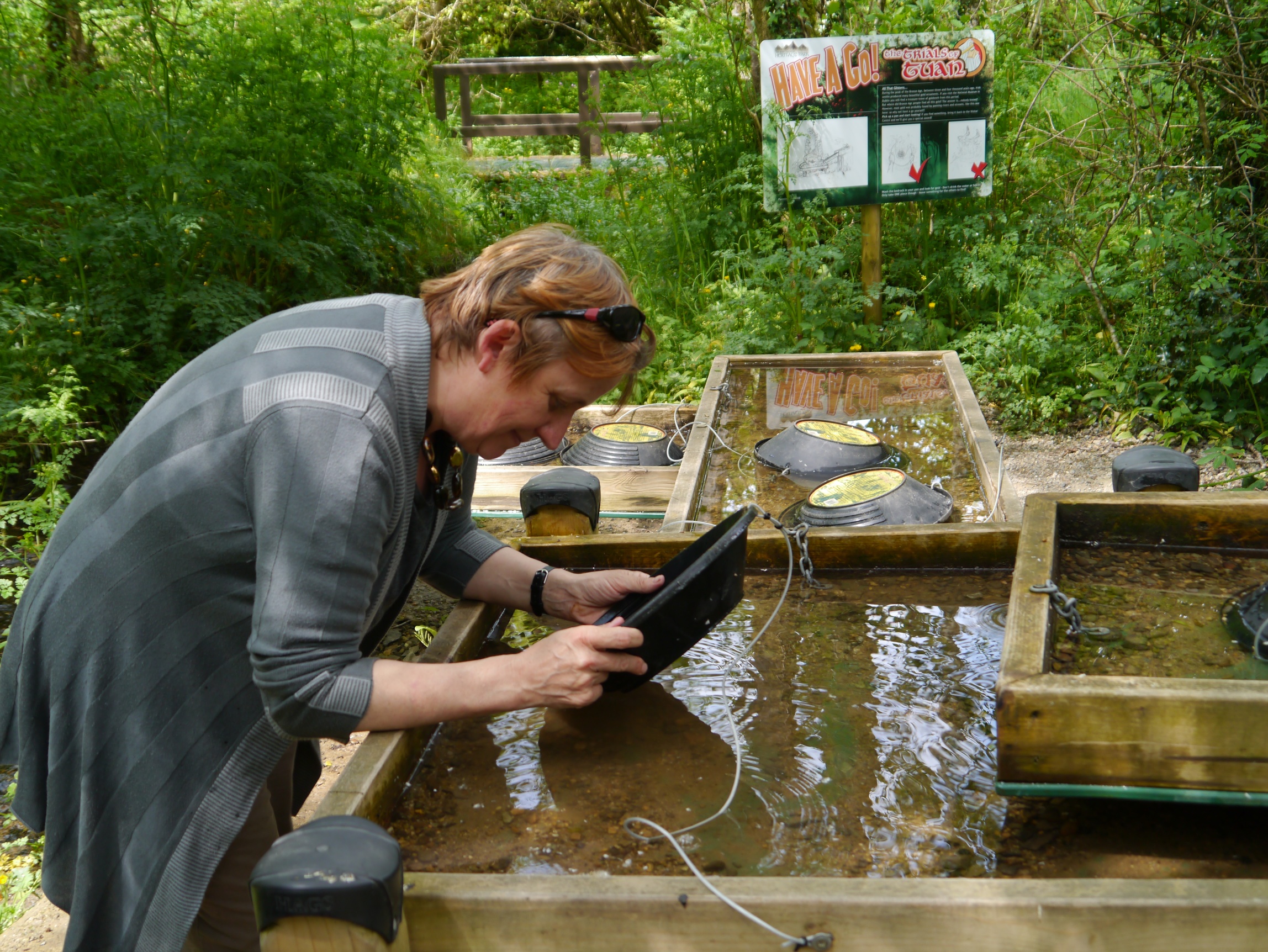
Getting all the elements of a successful visitor experience in place can be as hard as panning for gold.

But the results are worth the effort.
The Irish National Heritage Park shows how it can work. Go and see it.
All pictures thanks to Peter Phillipson. For more go to Peter’s Flickr stream. Follow Peter @ TellTalePeter on Twitter.