If the first time really is the worst, why would we ever do it again? Smoking , sex, whiskey, going into a bird hide or a stately home can all be a bit of a shock first time around. It gets better when know what to expect, know what you like and can make it work for you.
I have varying degrees of experience of the first three on that list- which we can chat about is we ever wind up in the same bar. Here I am going to talk about the last two and the whole issue of first time visitors to heritage (human and natural) attractions, their expectations and experiences.
It is hard for me, and I suspect most readers of this blog, to understand that. I am an extraordinarily, completely out of the ordinary, confident visitor to such places. I do it for work and I do it for pleasure. I know what the rules are, and often regard them as arbitary. I will sometimes laugh out loud in art galleries, sometimes at the pretentiousness of the labels, I will ask questions, including the ‘so why can’t I …’ question. I will talk about slavery and sexuality if I think they’ve been swept under the storytelling carpet. I will talk to strangers in hides.
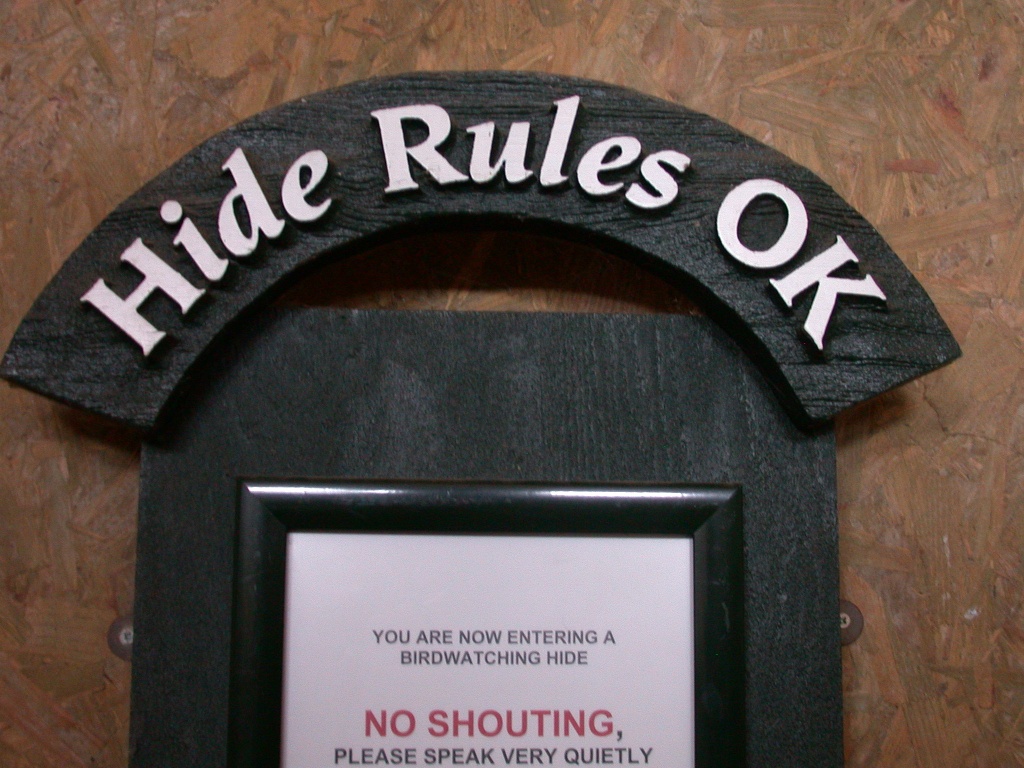
A human touch, a touch of humour can make the rules explicit in a helpful and welcoming way. (London Weland Centre)
Of course there are rules I won’t break – I do not touch historic artefacts, furnishings etc. I do not put my arms out of the hide window and I always take particular care to make sure the entrance door is closed before I open a viewing flap. (I do this even though I know the last is archaic, it is a convention not a rule, and modern birds apparently don’t give a damn.)
The point is I know these rules and conventions. I know how to fit in with the people around me. First time visitors wouldn’t.
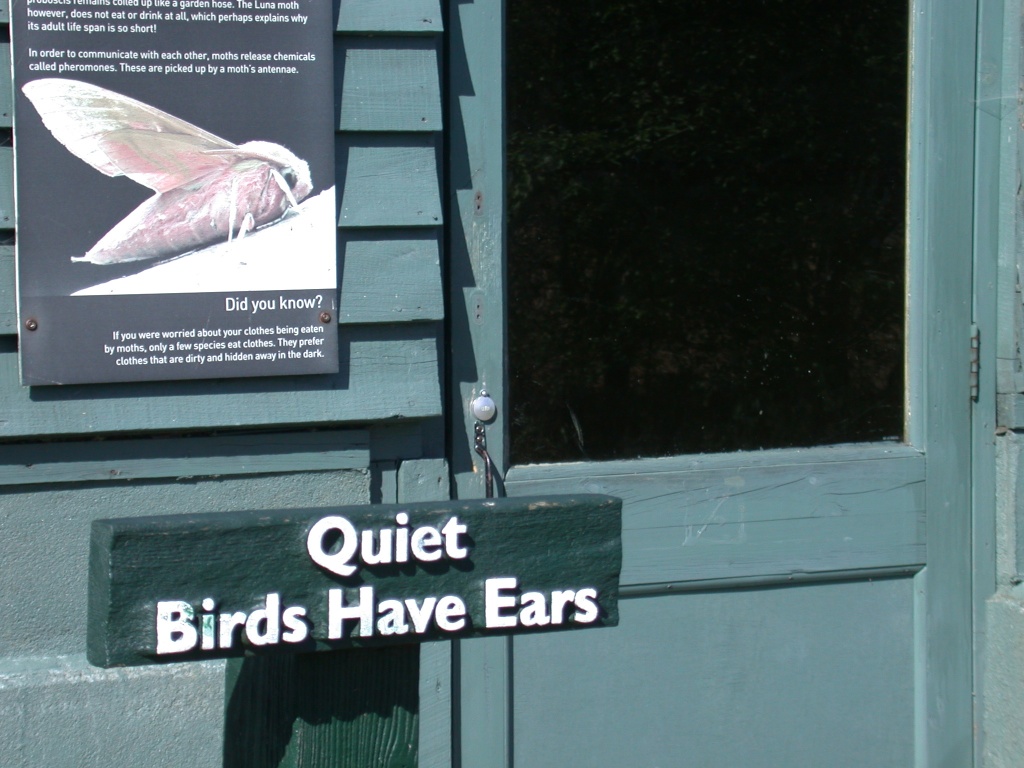
Lots of things the ‘in crowd’ knows, just aren’t obvious. (London Wetland Centre)
It can be extremely hard for people like me to see the more subtle barriers that prevent new people from visiting (although I regularly spot the more obvious ones – see here). It is important that we do. There are two things we can do about this.
Firstly, visit these sites with people who have never been to such places before. Drag them there – they will come, albeit reluctantly because they love you or because you have promised them cake (or possibly whiskey, sex or smokes – it’s up to you).
Once you have them there, watch them and learn. Notice what makes them uncertain, how and when they need you to smooth out their visit. Do not lead (until asked), follow. Listen to them and answer their questions, don’t just tell them stuff. Remember the demographics, in terms of responses to wildlife or heritage they are very likely to be more ‘normal’ than you. Make the most of that.
A few years ago I had a birthday. (I have reached that age where I don’t necessarily have one every year.) Big party planned for the evening, organised by daughter, so I had instructions to take myself off for the day to do something I liked. I opted to go bird-watching at Old Moor, my nearest RSPB reserve.
I invited any of my friends who wanted to join me. I though my birder friends might come along but no, the people who responded were people who had never been bird watching but wanted to see what it was like.
It was a brilliant day. Rubbish for birding – the place was frozen solid – so no one else was there. Which was great because we had eleven of us all chatting and talking and having huge fun in the hide.
 What did I learn?
- That going through the door of the visitor centre was really, really daunting. My friends, all awesomely confident professional people in most situations, would not have done it without me.
- That birds really are brilliant and I sometimes miss that. Common birds are brilliant. There were wigeon and mallard, teal and pochard in the one tiny piece of unfrozen lake just outside the hide. I hate to admit that up to then, I might easily have looked in, said ‘oh, there’s nothing about’ and left. If you’ve never been birdwatching, you do not know that these birds are ‘nothing’, it just doesn’t occur to you. So you simply see how wonderful a wigeon is. Maybe the first time is the best after all.
- That binoculars are essential – opera glasses, which is what our friends had, do not cut it. Peter and I loaned our binoculars and they opened up a whole new world – full of oohs and aaahs.
-
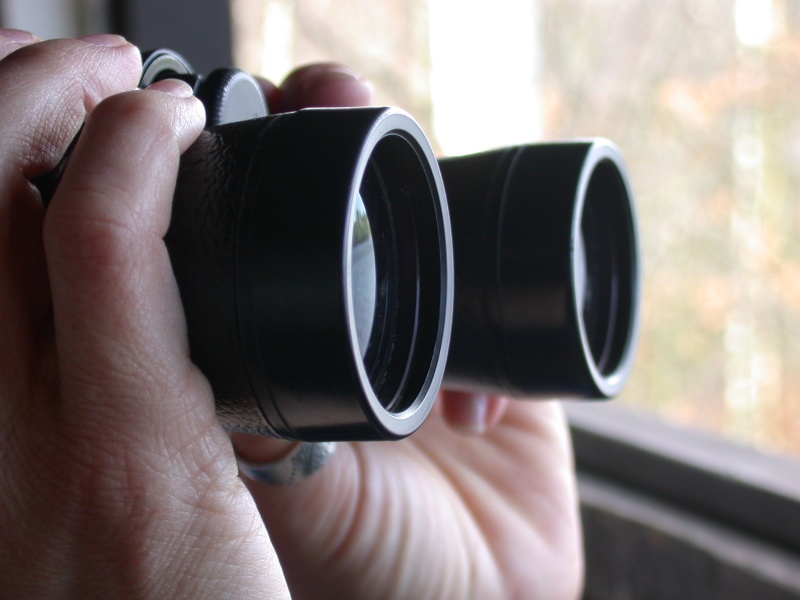
Essential to enjoyable birdwatching – but do first-timers know that? Or have access to them? No, in my experience.
If you’ve never done it before, you need someone to tell you what you are seeing. Peter and I ran up and down that hide, answers a flood of insistent, excited questions and pointing out mallards and wigeon, coots and moorhens and the difference between them.
- There is no age limit. But people do it differently – one lad wanted to ‘see 10 species of duck today’ – he had opened a bird book for the first time in preparation for the visit so had a target. We met it.
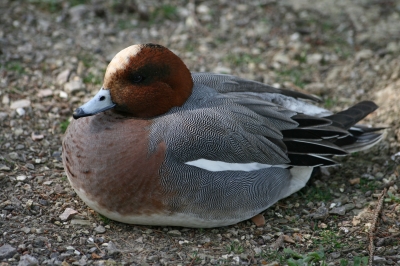
This is how beautiful a European wigeon is.
Image courtesy of James Barker / FreeDigitalPhotos.net
I had one of my very best birding days ever – and a fantastic birthday. More importantly, I have applied the lessons of that very cold day, and others like it, over and over. There is absolutely no substitute in this business for looking at what you know through someone else’s eyes.
Secondly, if, like me, you cannot put yourself into first time visitors’ shoes at heritage attractions, do it somewhere else. I will write about that, and the insights from my virgin forays into hurling, zumba and jazz, another time as this blog has (more than) reached its word limit (another thing I will blog about shortly).