During the last six months we have helped several commercial businesses to use interpretation to make more of their company heritage.
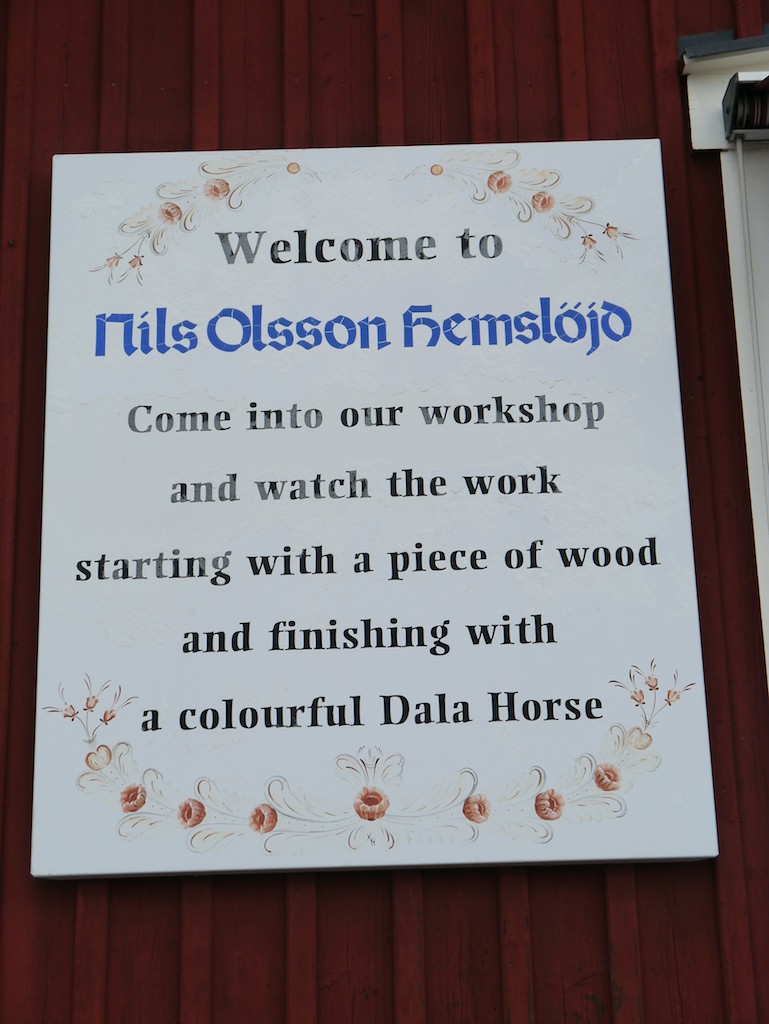 We were therefore particularly interested in how Nils Olsson, manufacturers of Dala horses in the small village of Nusnas in Darlana, Sweden, approached this.
During a recession, longevity and tradition can be valuable, reassuring aspects of a brand. They suggest stability and solidity in uncertain times. Not surprising therefore that businesses with a long tradition turn to heritage interpreters like us.
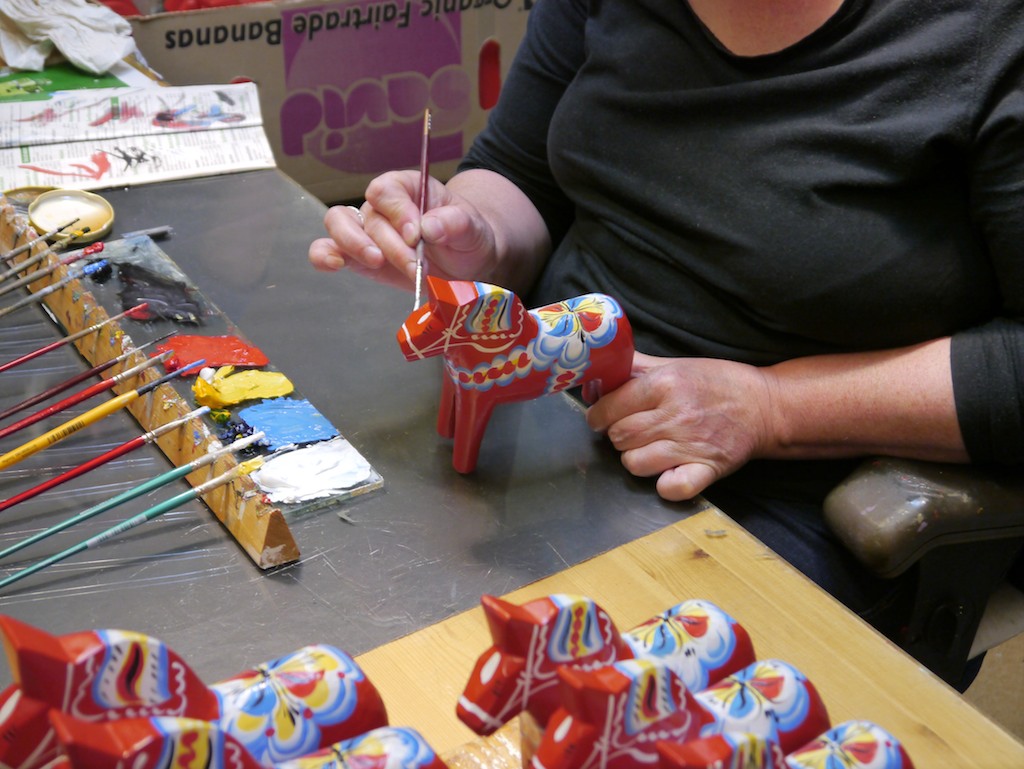 Two of our recent ventures have involved making a manufacturing process more accessible. Behind the scenes tours are always fascinating, but not straightforward to implement. There are a range of difficulties associated with allowing visitors onto, or even near, the factory floor.
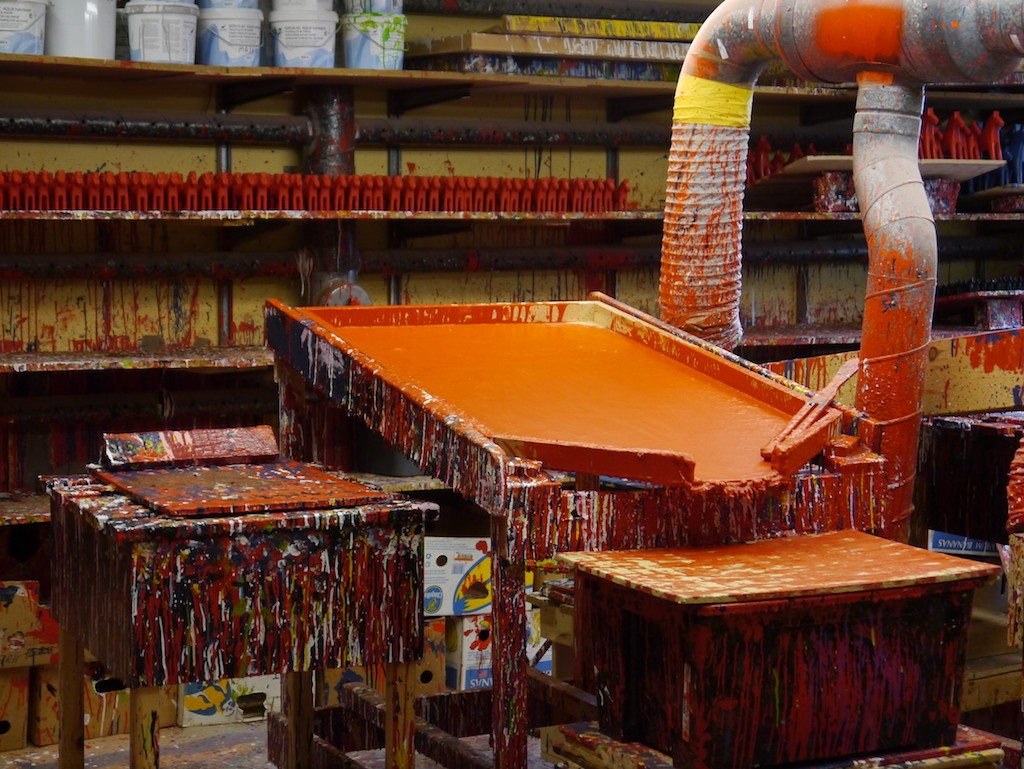
Workshops can be messy and/or dangerous places for visitors.
In short, they have opened the doors of the workshops wide, giving visitor excellent access and insight into the working environment – which has not been prettified.
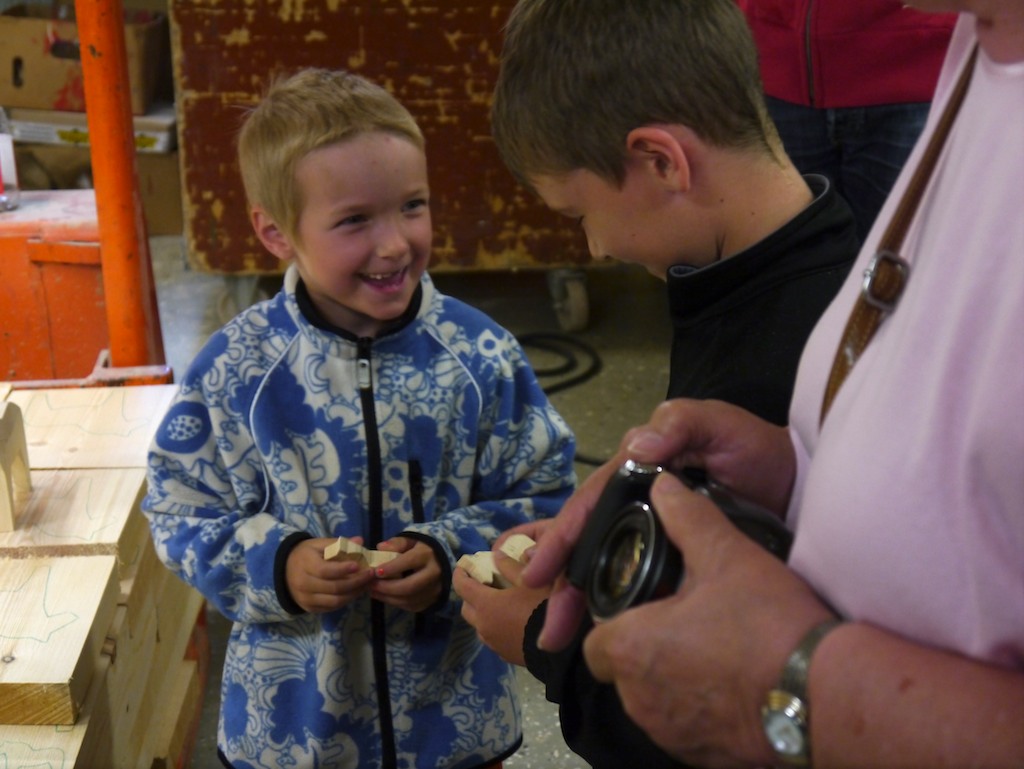
Happiness is … being given a freshly made horse by the man who made it.
Building a stronger relationship with the customer has to be balanced against disruption to production, security and commercial confidentiality, amongst other things.
It is fascinating to see the craftspeople at work. They are hugely skilled.
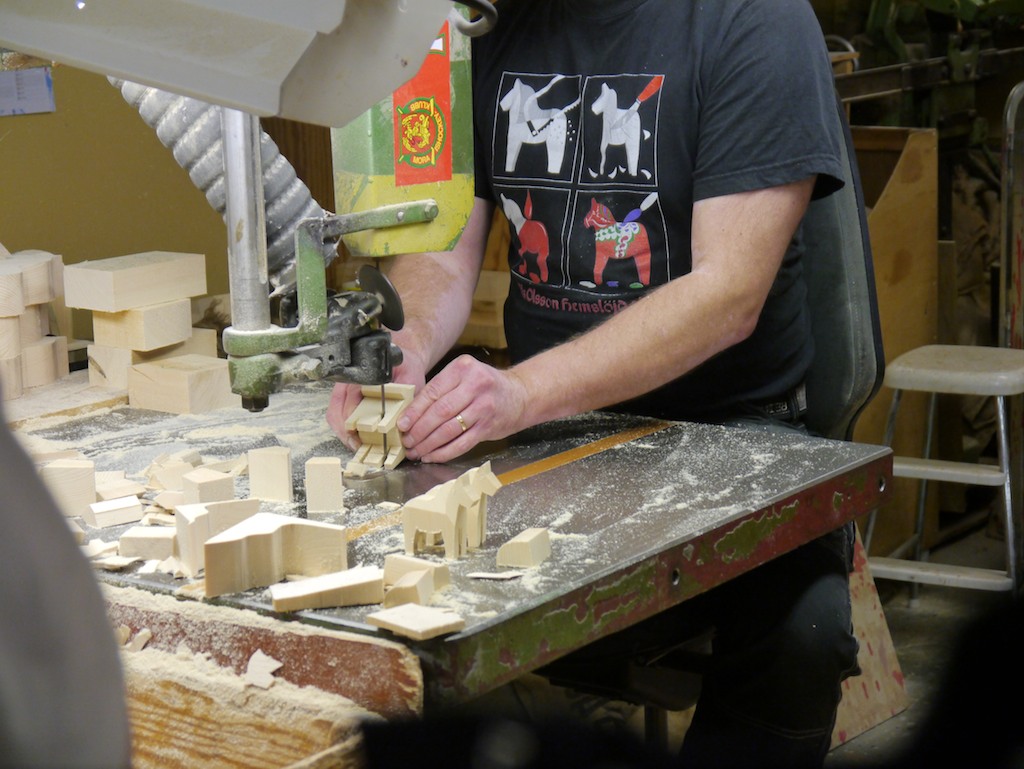 Seeing the horse produced step by step from a block of local pine certainly makes this rather charming product even more alluring. It must have: we, to our surprise, ended up happily buying five.
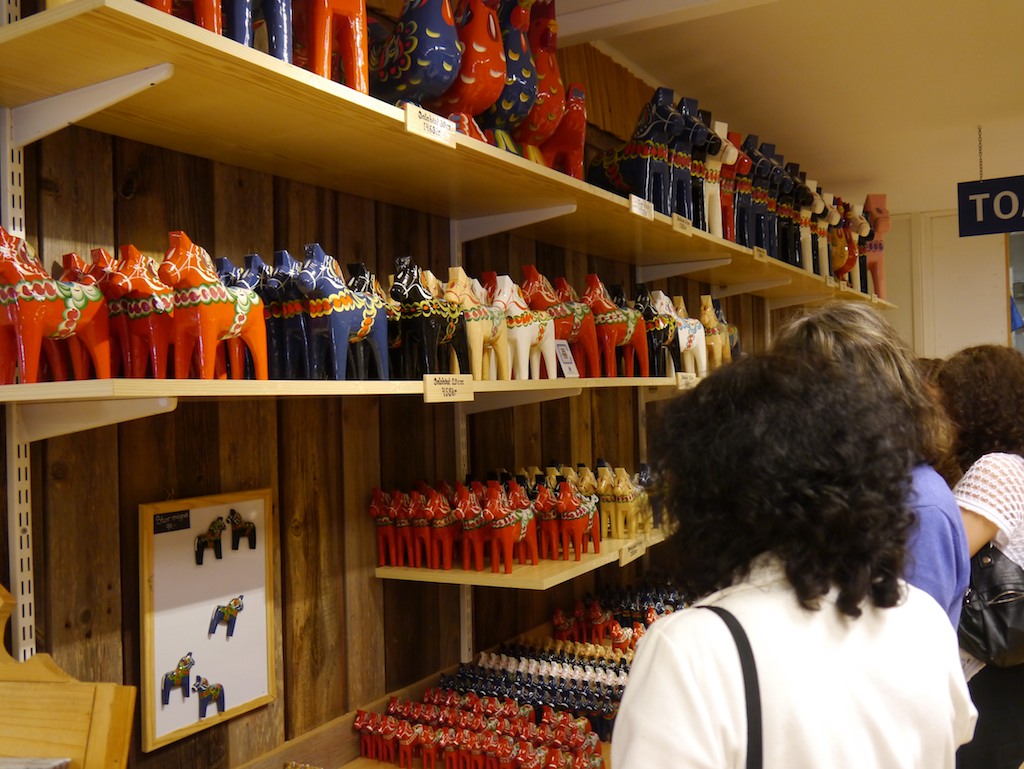
The shop is even more attractive after a visit to the workshop.
This is obviously an attractive product for visitors and local people alike. A strong symbol of Sweden with feel-good connotations of family life. Spending time on the premises builds on these values of friendliness, warmth and hospitality.
The manufacture process is simple and comprehensible which helps. The workers usually focus on their work but on occasions engage in conversation with visitors. I imagine this compromised productivity to an extent – presumably an acceptable one.
I wondered whether security was an issue. In the UK I think there would be concern about people pocketing an unfinished horse or several as these were openly available.
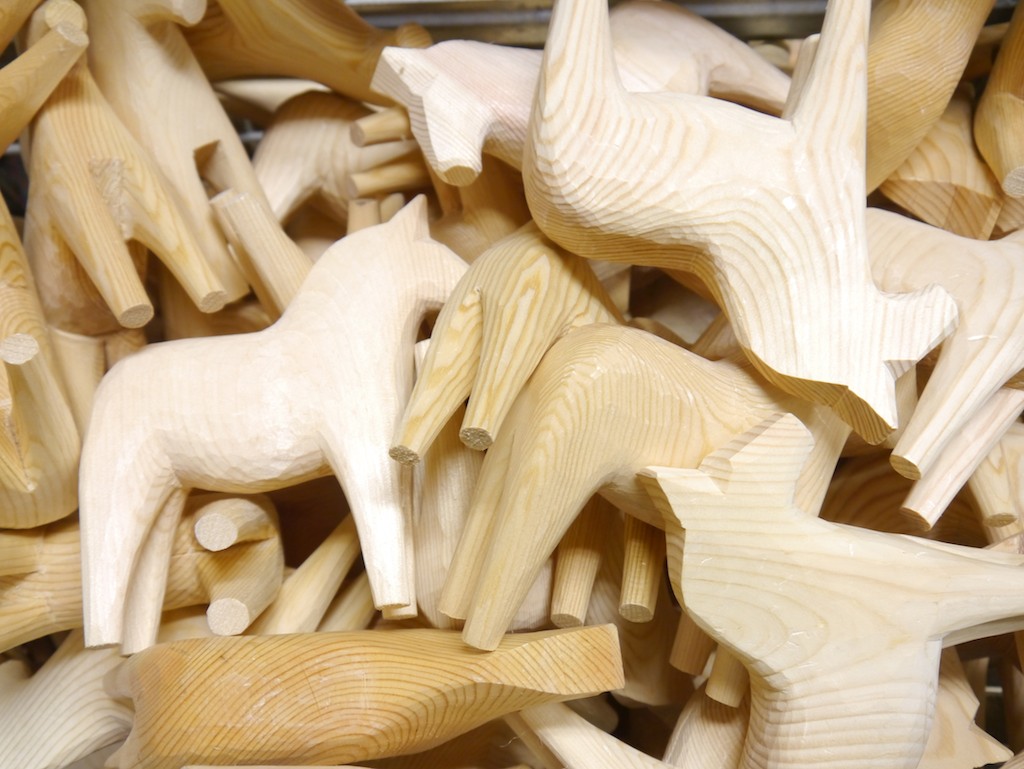
I concluded to the Swedes were probably both more trusting and more honest. I suspected that any small losses were minor in any case compared with the increased sales following the visit.
Working in a commercial environment has been interesting and rewarding – in all cases we have found that the client has a really good understanding of their customers – an excellent starting point for any communication, including heritage interpretation. They tend to grasp the relationship between heritage interpretation and their brand. They are comfortable working with clear objectives for the interpretation that they can relate to their business goals. They are happy to talk money and know that quality matters more in the long run than price.
These make for good clients and happy working.
If you want to know more about how to capitalise on your company’s heritage or consider your options for develop on-site tourism facilities contact me for a chat at susan@telltale.eu.
Find out more about TellTale at www.telltale.eu.